सृष्टी (Srushti)
- The logo shows sustainability, growth, and collective responsibility.
- The colorful ring represents the 17 UN SDGs and their connection.
- The Tree and Earth together show life, knowledge, and a greener planet.
- The hands holding the Earth remind us that students, teachers, and institutions must work together to protect the planet and build a better future.
VISION
"To nurture a culture of sustainability, innovation, universal values, and social responsibility by integrating the United Nations Sustainable Development Goals (SDGs) into engineering education, research, and community engagement, thereby preparing future engineers to design solutions for a sustainable world."
MISSION
- To mainstream SDGs across teaching, research, innovation, and campus practices.
- To build awareness, capacity, and commitment among students, faculty, and staff for sustainable development and ethical leadership.
- To establish the college as a hub of knowledge, technology, and solutions aligned with global sustainability challenges.
- To collaborate with industries, government, and communities for impactful projects supporting SDGs.
OBJECTIVES
Our strategic objectives guide our comprehensive approach to integrating sustainable development and universal values into engineering education and community engagement.
Curriculum Integration
Incorporate SDG principles and universal values into engineering courses, capstone projects, and co-curricular activities.
Capacity Building
Organize workshops, seminars, and training programs on sustainability, green technologies, universal values, and social innovation.
Campus Sustainability
Promote energy efficiency, waste management, renewable energy, and water conservation initiatives on campus.
Research & Innovation
Encourage projects, patents, and publications addressing local and global SDG challenges.
Community Engagement
Partner with local communities to apply engineering solutions for real-world sustainability issues.
Collaboration & Networking
Build partnerships with UN agencies, NGOs, industries, and academic institutions for joint initiatives.
Value-Based Education
Integrate ethics, universal human values, and social responsibility into academic and extracurricular activities.
Monitoring & Reporting
Establish indicators and an annual report on SDG and value-based education activities and achievements.
PROPOSED PLAN (NEXT THREE YEARS)
A comprehensive roadmap for implementing sustainable development goals and universal values across our institution through structured phases of development and expansion.
Foundation & Awareness
- Establish SDG Cell structure, governance framework, and student clubs.
- Conduct baseline survey on sustainability practices, universal values, and curriculum integration.
- Organize awareness drives (seminars, competitions, poster campaigns).
- Launch "Green Campus Initiative" (waste segregation, energy audit, tree plantation).
- Integrate SDG and universal value themes into final-year projects and student hackathons.
Capacity Building & Implementation
- Introduce elective/short courses on SDGs, universal values, climate change, and sustainable engineering.
- Establish SDG Innovation Lab/Incubation Cell for student-led solutions.
- Initiate interdisciplinary research projects aligned with SDGs (e.g., clean energy, smart cities, water solutions).
- Build partnerships with local bodies and industries for community-based projects.
- Conduct value education workshops focusing on ethics, leadership, and social responsibility.
- Publish first SDG and Value Education Annual Report with measurable indicators.
Expansion & Impact
- Institutionalize SDG and value education activities into academic and administrative policies.
- Host National/International Conference on Engineering, Values, and SDGs.
- Apply for recognition/accreditation (e.g., AICTE, UN Academic Impact, THE Impact Rankings).
- Expand community engagement to regional and national levels.
- Scale up green campus initiatives (solar power, rainwater harvesting, zero-waste campus).
- Develop a digital SDG and Values dashboard to showcase progress and research impact.
THRUST AREAS OF SDG RESEARCH
सृष्टी - PCCoE SDG Cell Campus Initiative offers comprehensive programs in sustainable development and has commenced research programs from the academic year 2025-26. This program provides rigorous, interdisciplinary training to equip students and faculty with the power to conduct cutting-edge research of international standards.
Climate Action & Clean Energy
Solar analytics, renewable energy systems, carbon footprint reduction, and climate resilience planning.
Water & Sanitation
Water conservation, quality testing, sustainable water management, and community hygiene programs.
Sustainable Cities
Urban planning, waste management, green infrastructure, and community development initiatives.
Quality Education
Educational access, digital literacy, skill development, and inclusive learning environments.
Gender Equality
Women empowerment, inclusive policies, leadership development, and social justice initiatives.
Innovation & Technology
Sustainable technology development, digital solutions for development, and innovation ecosystems.
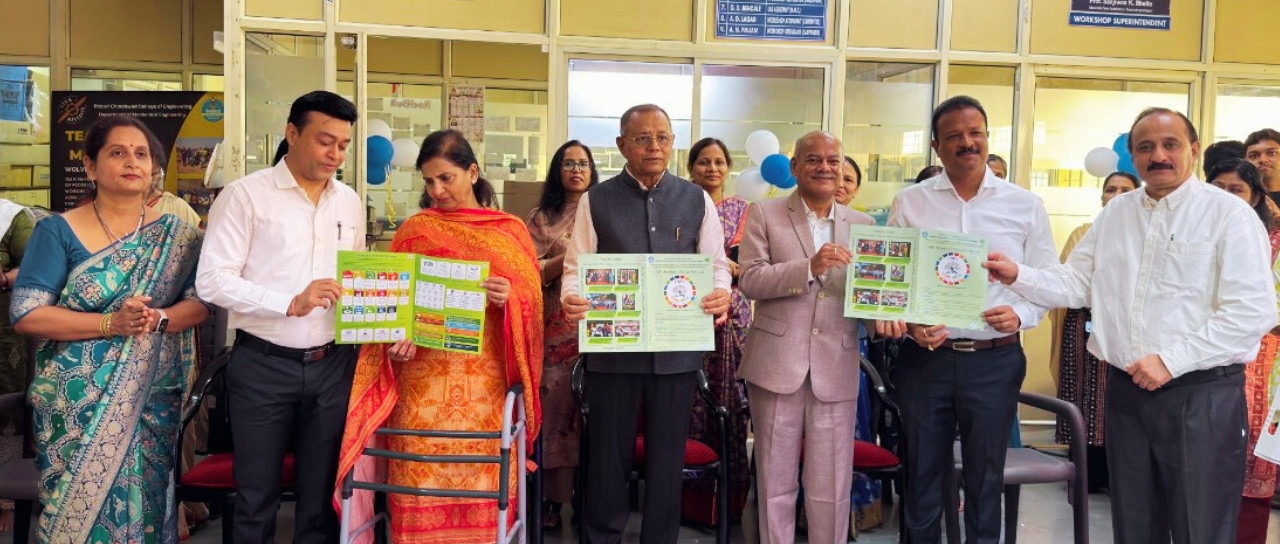
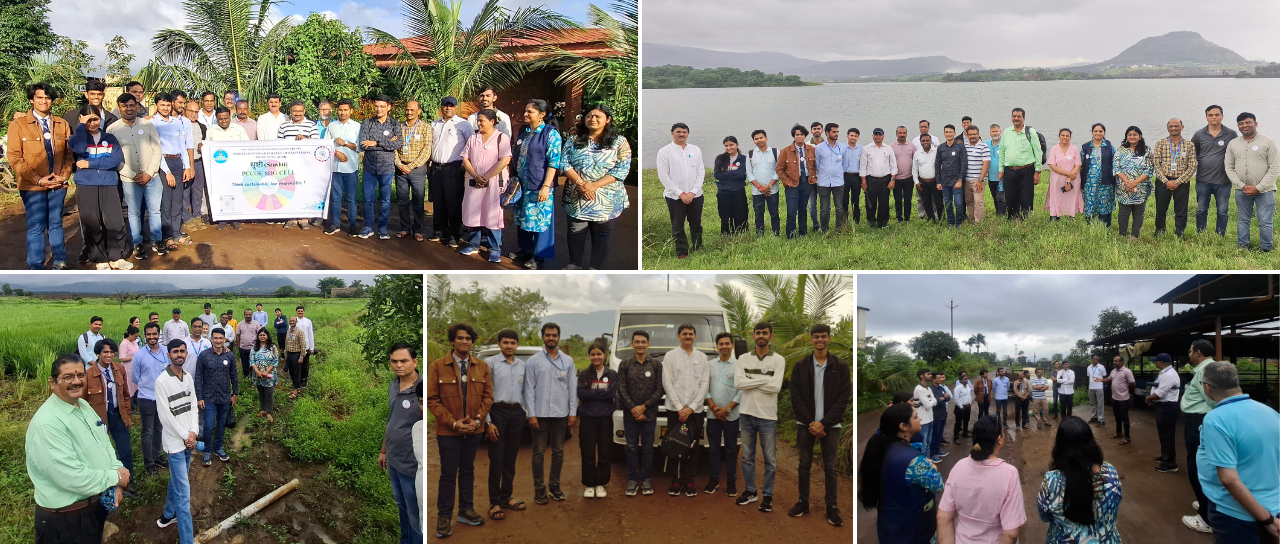
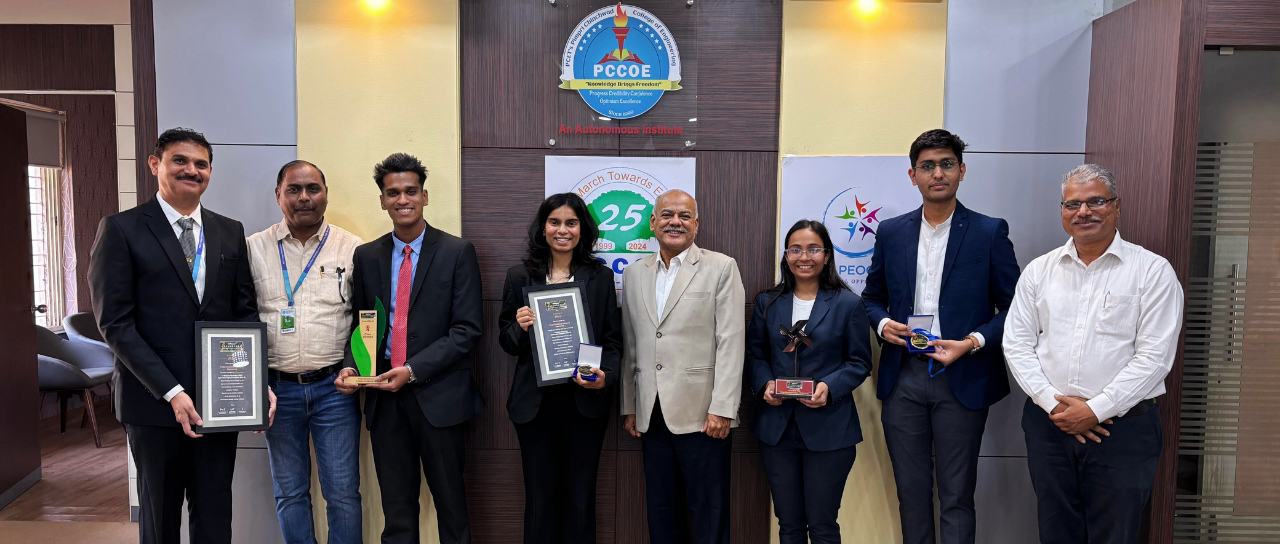
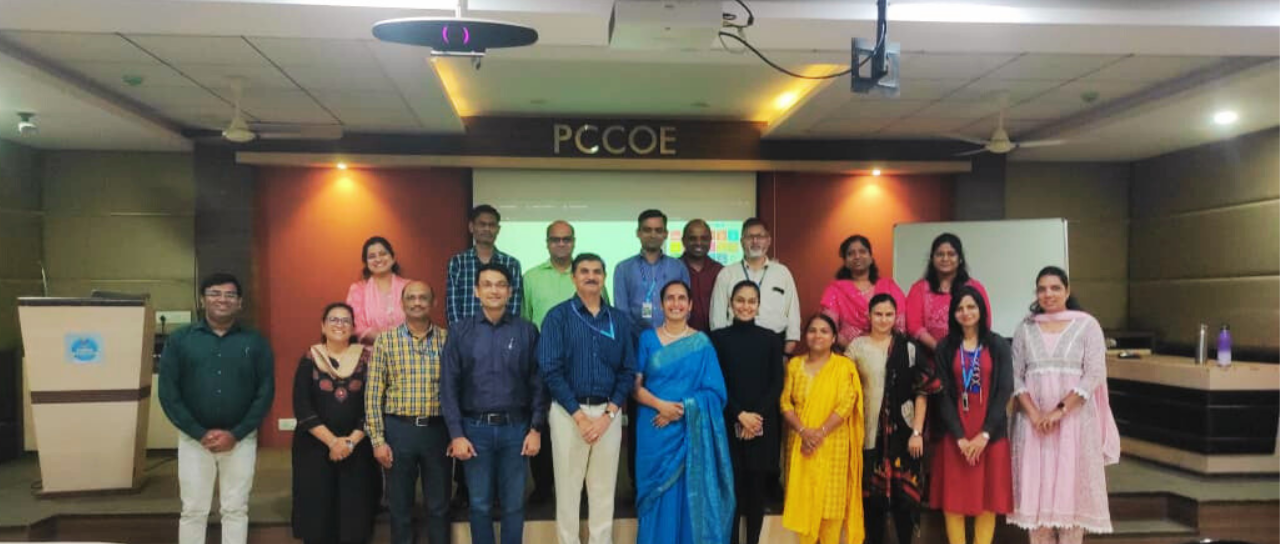
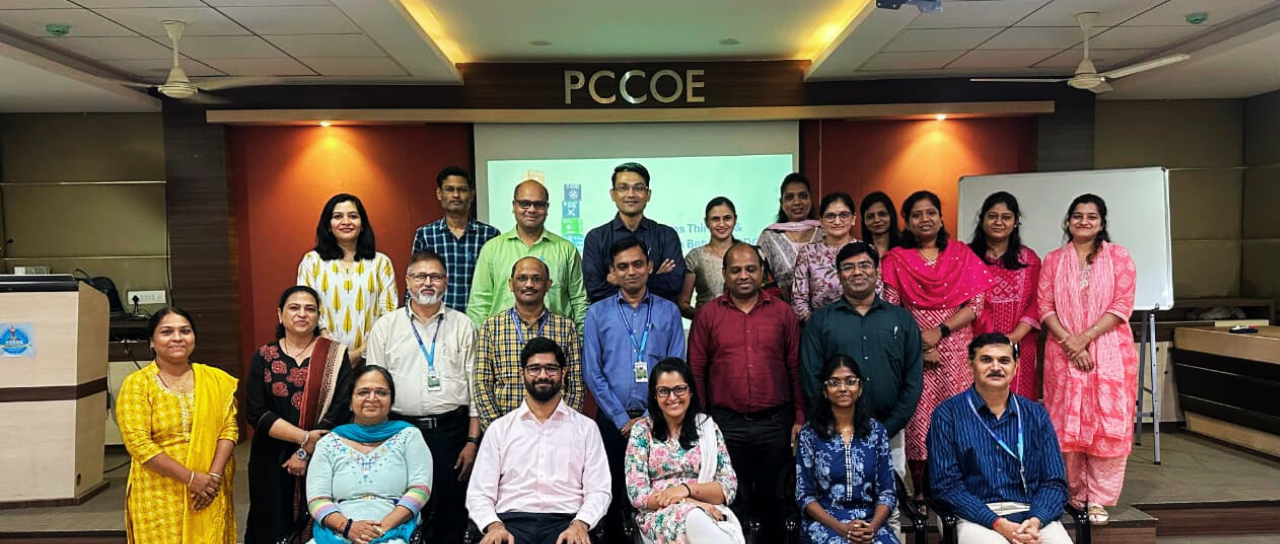
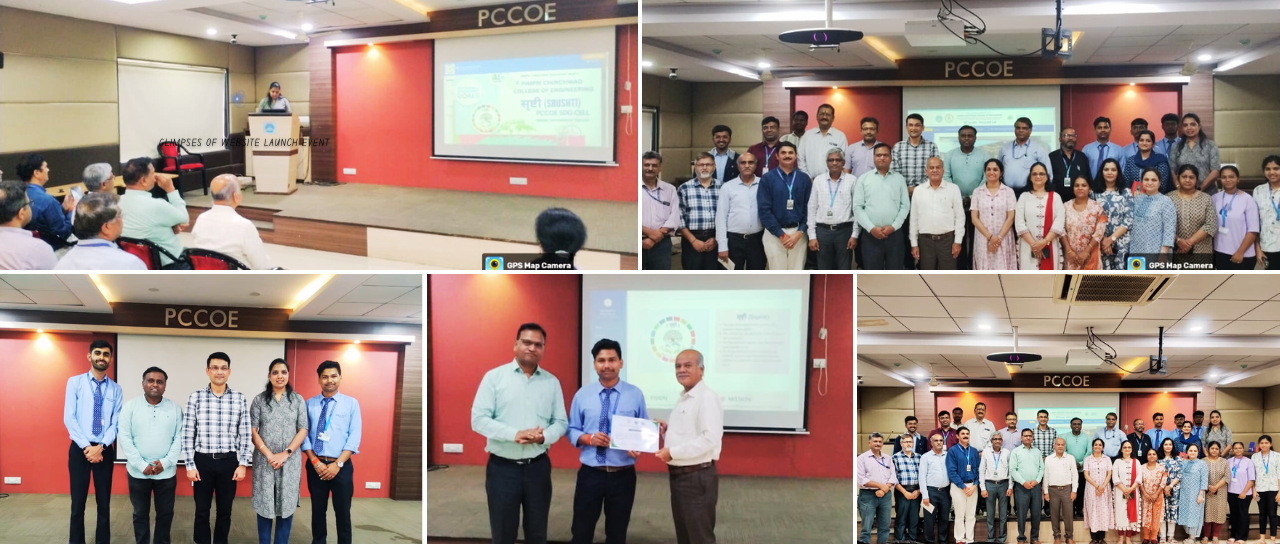
सृष्टी - SDG CELL IN ACTION
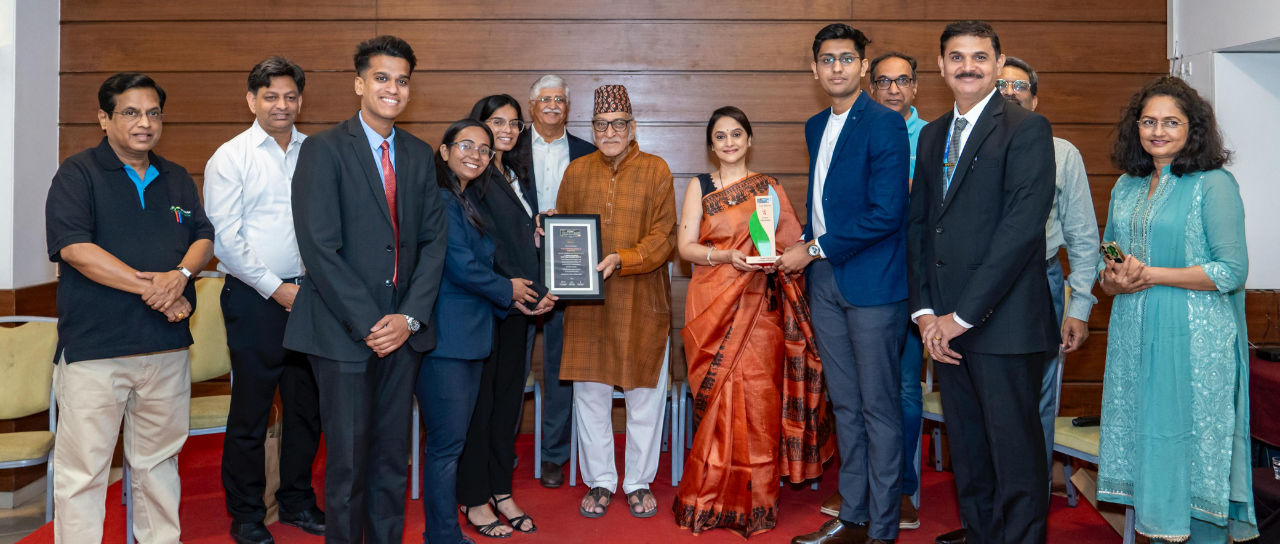
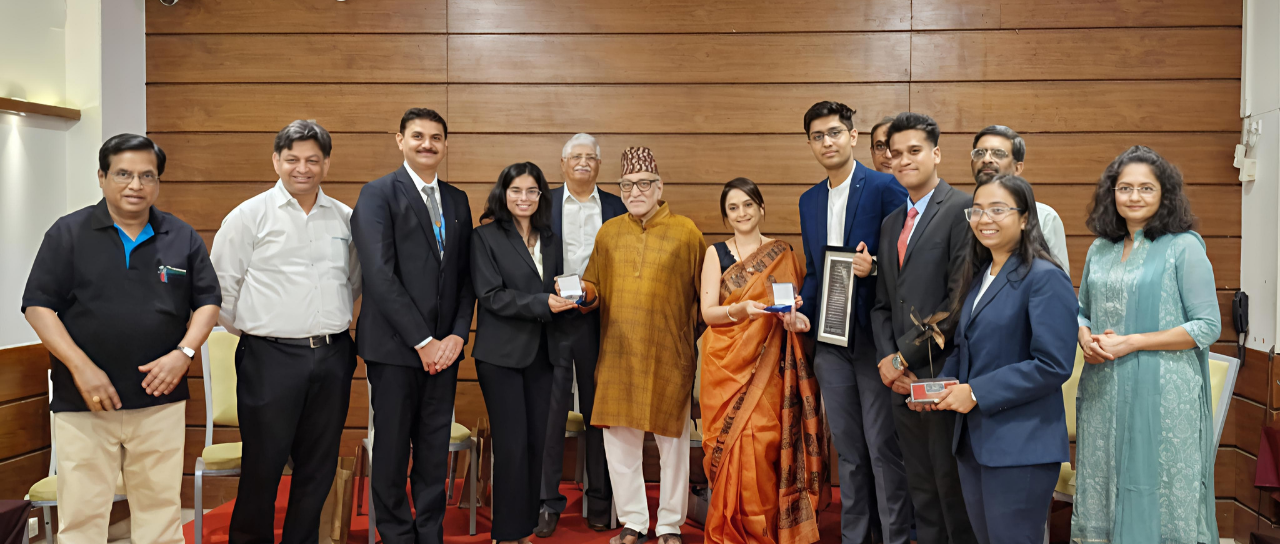
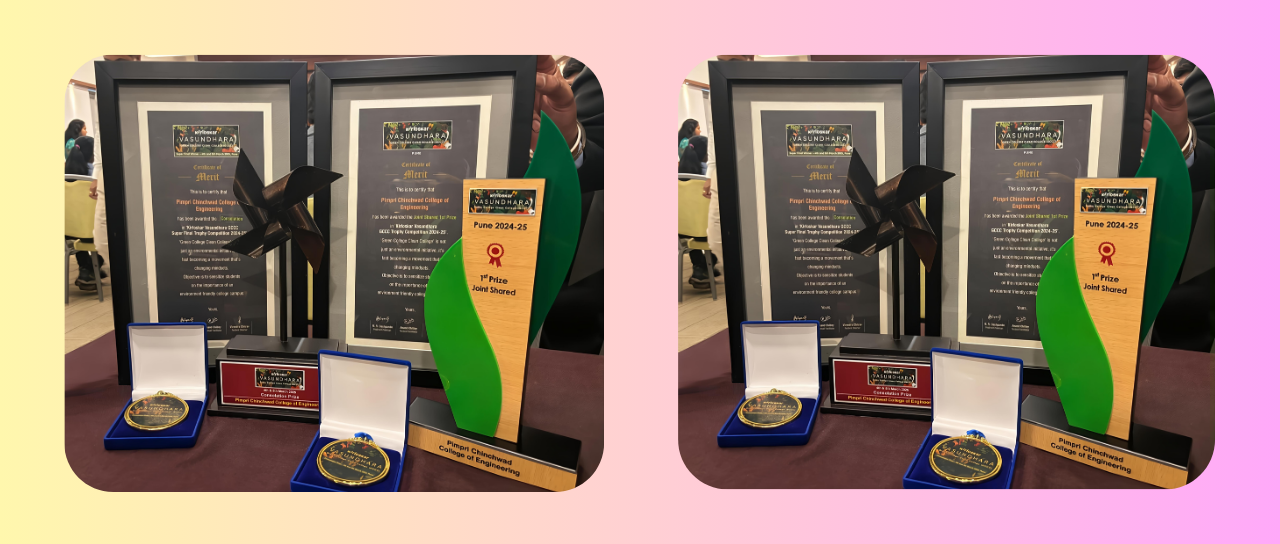
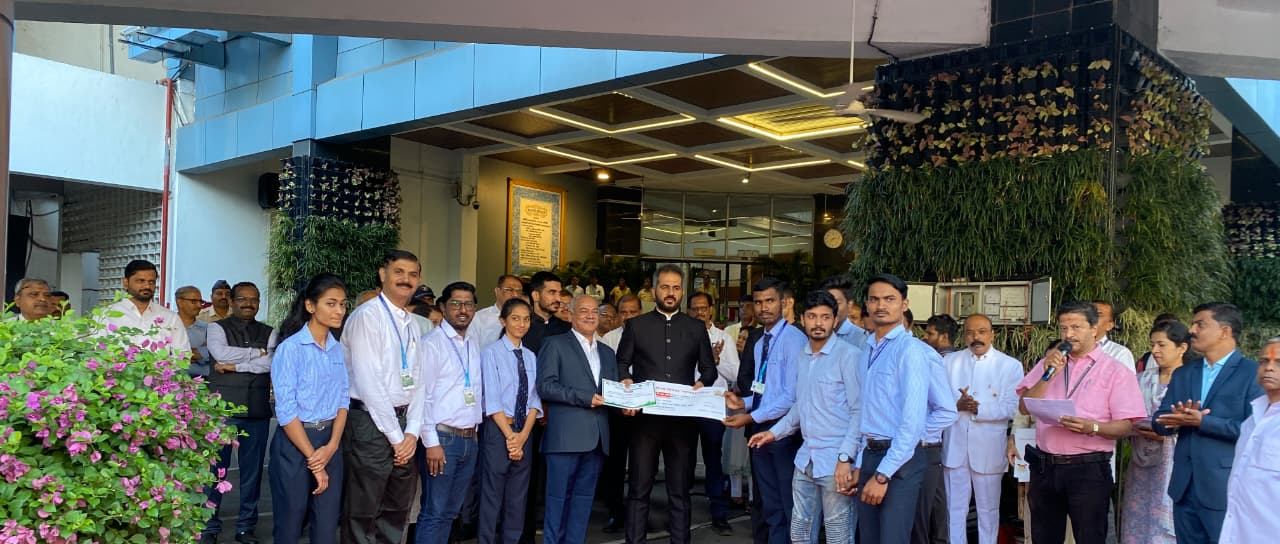
Glimpses of our sustainability initiatives and community engagement programs